Pheezee sEMG Assessment Explained: What It Measures and What It Doesn’t
By Dr. Pranav Parmar (PT) · 5 Aug 2026 · 4 min read
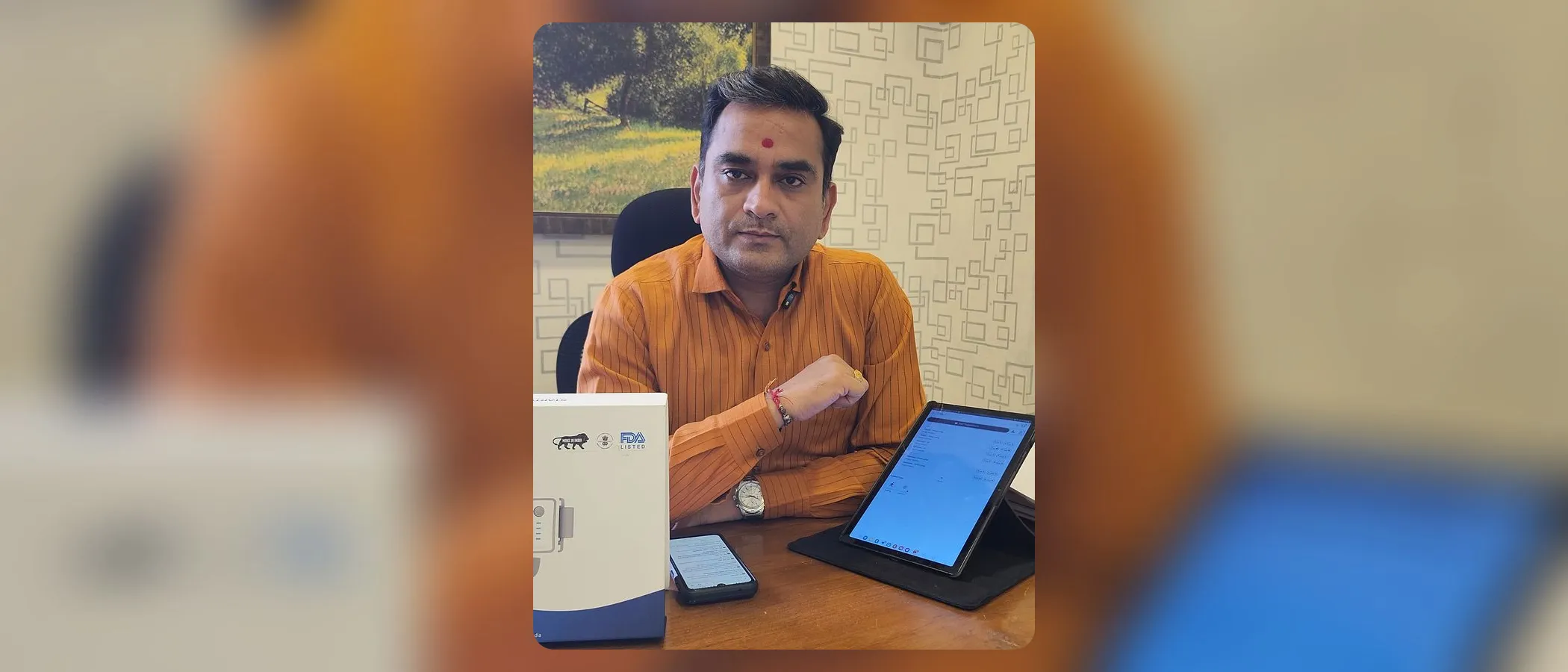
Surface EMG adds useful information about how your muscles activate during movement. Here is how it fits into a full physiotherapy assessment.
Pheezee is a technology-assisted assessment system that uses surface electromyography (sEMG) to record the electrical activity of muscles while you move. At our clinic, it is one tool within a complete clinical assessment.
What it can show
- How selected muscles activate during specific movements
- Side-to-side differences, when the test allows a meaningful comparison
- Muscle activity during prescribed exercises
- Changes across repeat assessments under comparable conditions
What it cannot do
sEMG does not produce images like an MRI. It cannot diagnose a disc herniation, nerve compression or structural injury by itself, and it cannot prove that a particular muscle is the cause of pain. Findings always need careful interpretation alongside the physical examination.
Is it painful?
No. Sensors are placed on the skin over the muscles being tested, and you simply perform the movements you are asked to do.
Not every patient needs a Pheezee assessment. Your physiotherapist will advise whether it adds value for your condition and goals.
This article is general information and not a substitute for a personal assessment or medical advice.