Life After Stroke: How Neurological Physiotherapy Supports Recovery
By Dr. Pranav Parmar (PT) · 28 Sept 2026 · 6 min read
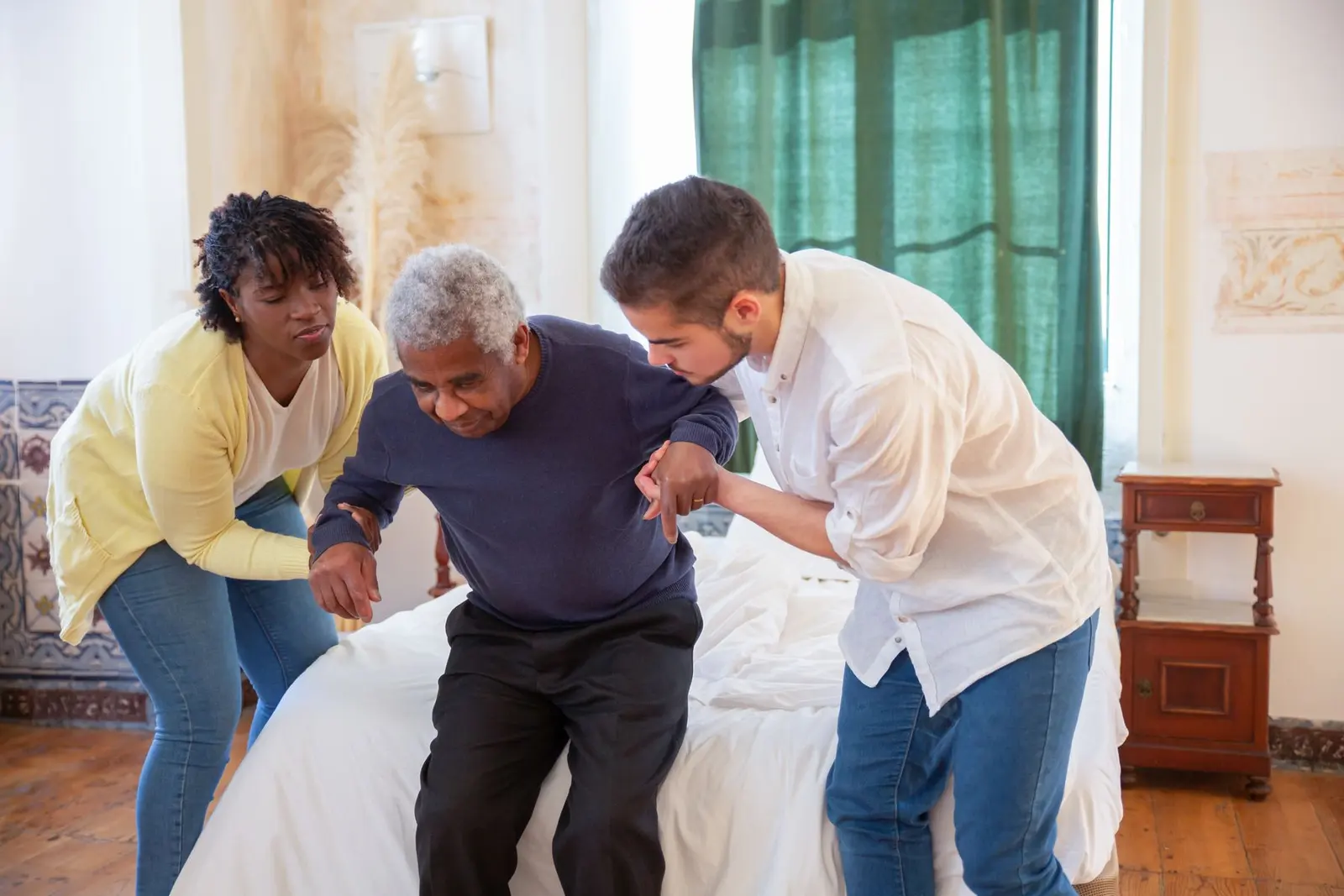
Recovery after a stroke is a journey. Here is how structured, goal-focused physiotherapy can help with walking, balance and everyday independence.
A stroke can affect strength, sensation, balance, coordination and the ability to carry out everyday tasks. Every recovery is different, but structured rehabilitation can help many people regain function and independence.
What does neurological physiotherapy focus on?
- Improving muscle strength and motor control on the affected side
- Trunk control and sitting and standing balance
- Safe transfers, such as bed to chair and sit to stand
- Gait training and walking practice, with aids if needed
- Task-specific practice of real daily activities
Why practice and repetition matter
The nervous system adapts in response to meaningful, repeated practice. That is why a home exercise program, and the involvement of family members and caregivers, is just as important as the sessions themselves.
Clinic or home?
Many patients start with home visit physiotherapy, especially when travelling is hard. Treating at home also lets us practise the real tasks, such as getting out of bed, using the bathroom or climbing the stairs, in the place where they matter.
Rehabilitation should begin once the patient is medically stable and in line with the treating doctor’s advice. Patients who need intensive medical monitoring may need inpatient rehabilitation first.
This article is general information and not a substitute for a personal assessment or medical advice.